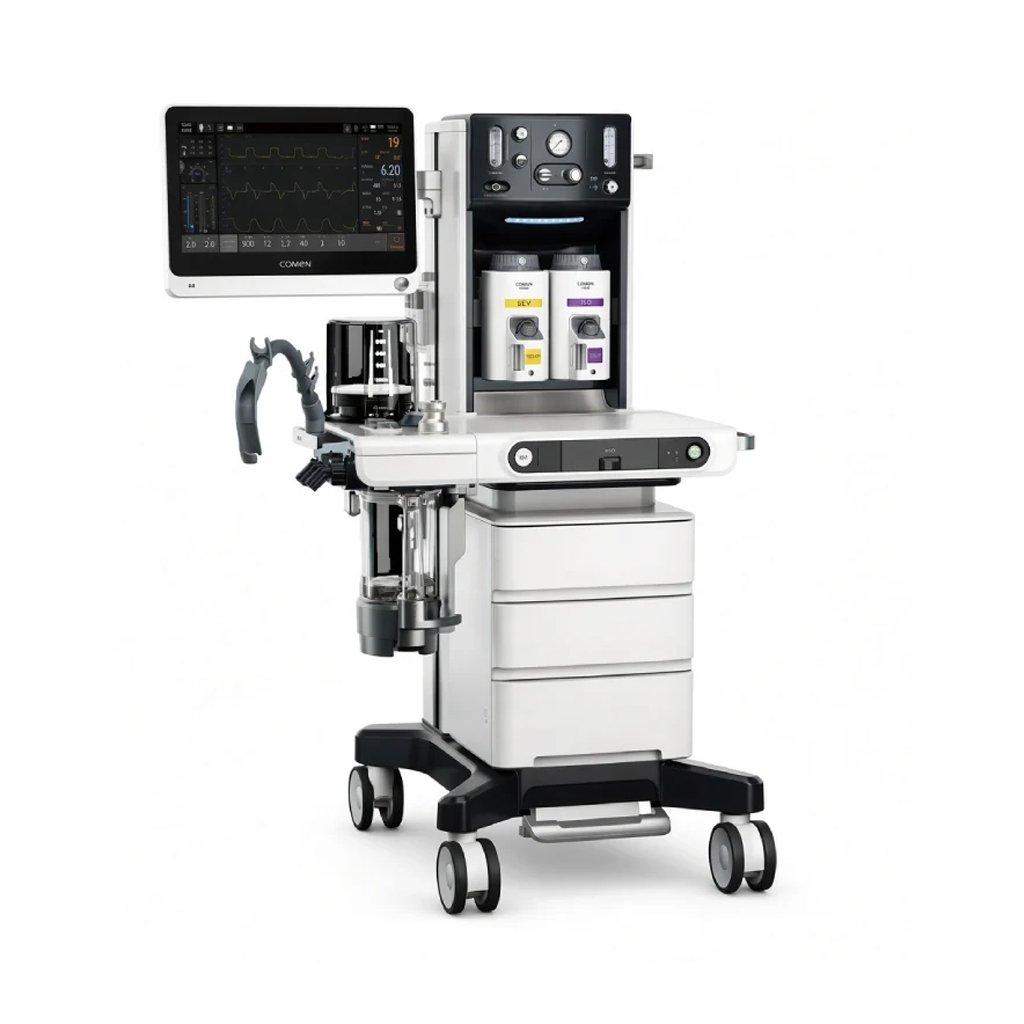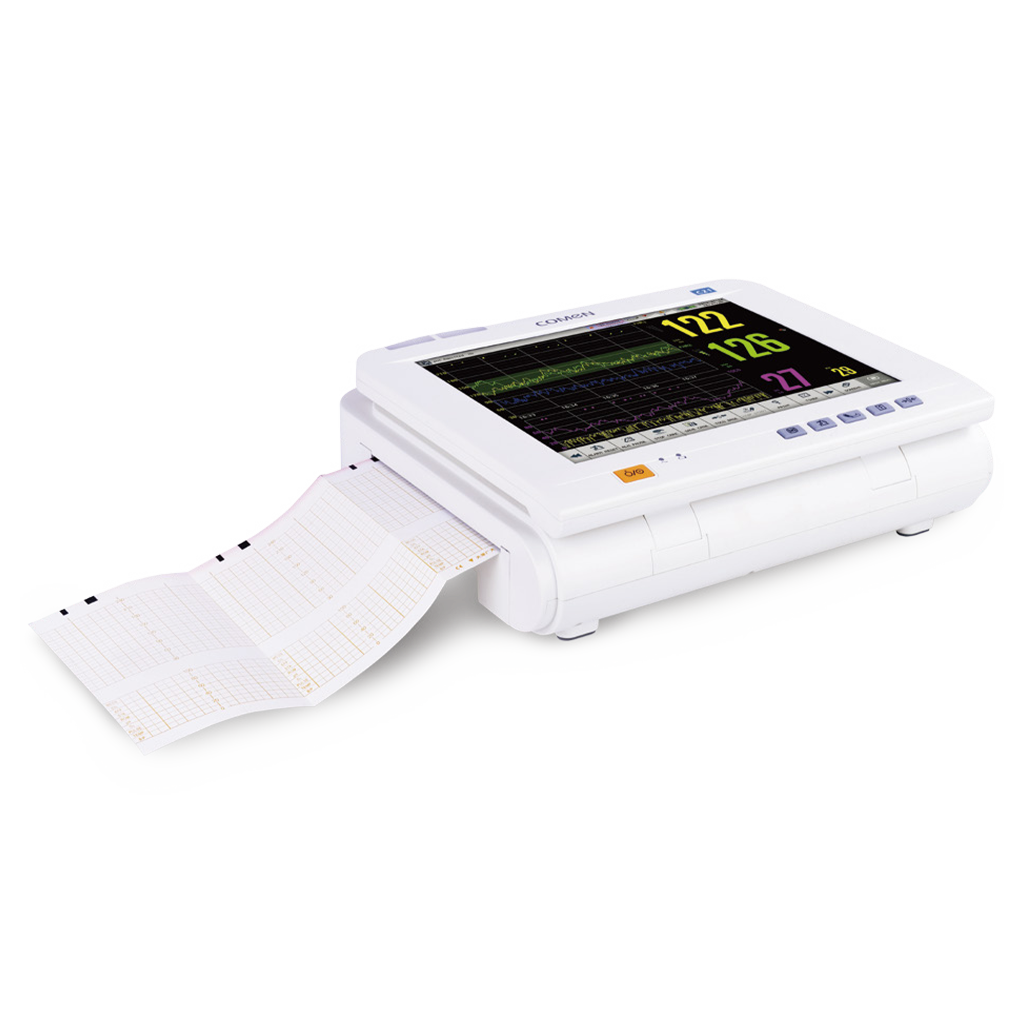
Evidence-based selection framework for multiparameter patient monitors in Kenyan hospitals, covering ward telemetry, high-dependency units (HDU), intensive care, and surgical theatre monitoring.
Multiparameter patient monitors represent the vital sensory nervous system of any clinical facility. They provide physicians and nursing staff with instantaneous, continuous physiological data required to identify early clinical deterioration and guide emergency resuscitation.
Matching patient monitoring systems to clinical acuity ensures patient safety and budget efficiency: basic 5-parameter monitors for wards, advanced gas and invasive hemodynamic tracking for ICUs, and modular touchscreen displays with seamless central station networking.
Clinical Acuity Levels & Parameter Requirements
Patient monitors should be selected according to the specific clinical workload of the department:
- General Wards & Recovery Rooms: Standard 5-Parameter monitoring covering 3/5-Lead Electrocardiogram (ECG with ST-segment and arrhythmia detection), Non-Invasive Blood Pressure (NIBP), Pulse Oximetry (SpO2), Respiration Rate (RESP), and Dual Temperature (TEMP).
- Emergency Departments & Triage: Fast-acquisition monitors featuring spot-check and continuous monitoring modes, rapid 15-second NIBP inflation, and durable drop-resistant chassis.
- Intensive Care Units (ICU) & High Dependency Units (HDU): Advanced multiparameter monitoring incorporating Dual Invasive Blood Pressure (IBP) for arterial line and central venous pressure (CVP) monitoring, End-Tidal Carbon Dioxide (EtCO2 - mainstream or sidestream microstream), and continuous cardiac output (CO).
- Operating Theatres (OT): Specialized monitoring suites with multi-gas analysis (O2, N2O, and automatic identification of volatile anesthetic agents: Isoflurane, Sevoflurane, Desflurane), Bispectral Index (BIS) for depth of anesthesia, and neuromuscular transmission (NMT) monitoring.
Display Ergonomics, Battery Redundancy & Alarm Management
In high-stress clinical environments, screen visibility and user-interface design directly impact clinical reaction times:
- Screen Size & Resolution: 10.4-inch to 12.1-inch displays are ideal for bedside ward and transport applications; 15-inch to 19-inch high-resolution touchscreens provide clear visibility across ICU bays and surgical fields.
- Anti-Glare & Wide Viewing Angles: High-contrast TFT color LCD panels with 170-degree viewing angles ensure readings remain legible under bright surgical lights.
- Battery Autonomy: High-capacity lithium-ion rechargeable battery packs offering at least 4 to 6 hours of continuous monitoring during patient inter-departmental transport or municipal power outages.
- Visual & Audible Alarm Differentiation: Color-coded alarms (Red for life-threatening physiological events, Yellow for cautionary alerts, Cyan for technical sensor disconnects) with 360-degree top-mounted alarm light bars.
Wireless Connectivity & Central Nursing Monitoring Stations
Modern hospital workflows rely on interconnected monitoring networks to reduce nursing burnout and enhance patient surveillance:
- Central Monitoring Stations (CMS): A centralized nurse station display connecting up to 32 or 64 bedside monitors via secure Wi-Fi or wired Ethernet LAN, displaying full-disclosure waveforms, arrhythmia logs, and trending data.
- Electronic Health Record (EHR) & HIS Integration: Bidirectional data exchange using standard HL7 protocols, allowing patient vital signs to flow directly into electronic medical records without manual charting errors.
- Telemetry & Ambulatory Monitoring: Lightweight, wearable patient transmitters that allow recovering cardiac patients to walk freely within the ward while continuous ECG and SpO2 telemetry is transmitted to the central station.
Accessory Durability & Transducer Standardization in Kenya
Accessories represent the highest ongoing consumables expense for patient monitoring:
- Pulse Oximetry Sensors: Durable medical-grade silicone finger sensors with Kevlar-reinforced cabling resistant to repeated flexing, chemical disinfection, and low-perfusion motion artifact filtering.
- Reusable NIBP Cuffs: Antimicrobial TPU coated nylon cuffs with quick-release metal bayonet connectors, available in sizes ranging from neonatal to adult thigh.
- Defibrillation & Electrosurgery Protection: High-integrity internal isolation circuitry that protects the patient monitor from high-voltage defibrillator discharge and high-frequency electrosurgical noise during diathermy.
Routine Calibration & Electrical Safety Testing
Biomedical maintenance protocols ensure diagnostic accuracy and patient electrical safety:
- Non-Invasive Blood Pressure Leakage Testing: Checking internal valves and air pump pressure decay against calibrated mercury or digital pressure gauges every 6 months.
- ECG Lead Calibration & Patient Simulator Testing: Verifying millivolt amplitude accuracy (1 mV calibration pulses) and heart rate calculation algorithms using multi-lead patient simulators.
- Electrical Safety Compliance: Measuring patient chassis leakage current and patient auxiliary current in accordance with IEC 60601-1 and IEC 60601-2-49 standards.
Frequently Asked Questions (Patient Monitors Kenya)
What parameters are essential for a basic hospital ward patient monitor?
A standard ward monitor requires ECG (with heart rate), Pulse Oximetry (SpO2), Non-Invasive Blood Pressure (NIBP), Respiration Rate, and Temperature. These parameters provide comprehensive surveillance for post-operative recovery and general medical admissions.
What is the difference between mainstream and sidestream capnography (EtCO2)?
Mainstream capnography uses an optical sensor attached directly to the patient's breathing circuit airway adapter, providing immediate, zero-delay CO2 readings without removing gas. Sidestream capnography aspirates a small continuous sample of gas (50–120 mL/min) through a sample line into an internal sensor chamber, making it ideal for non-intubated patients using specialized nasal cannulas.
Where can clinics in Nairobi get patient monitors with local warranty and service?
Nairobi Enterprises Ltd supplies certified multiparameter patient monitors across Kenya, complete with comprehensive accessory bundles, in-service clinical staff training, and certified local warranty backed by in-house biomedical engineering technicians.
Explore Nelent's equipment ↗