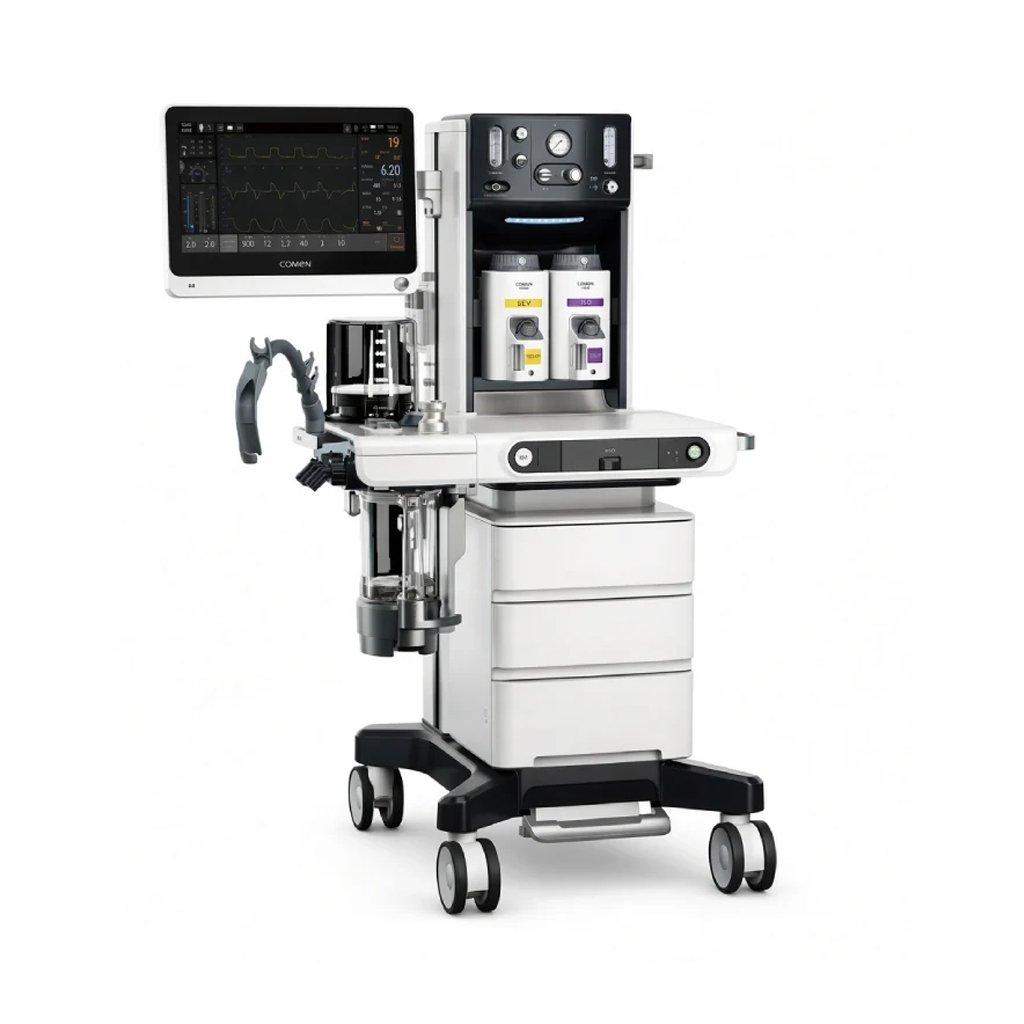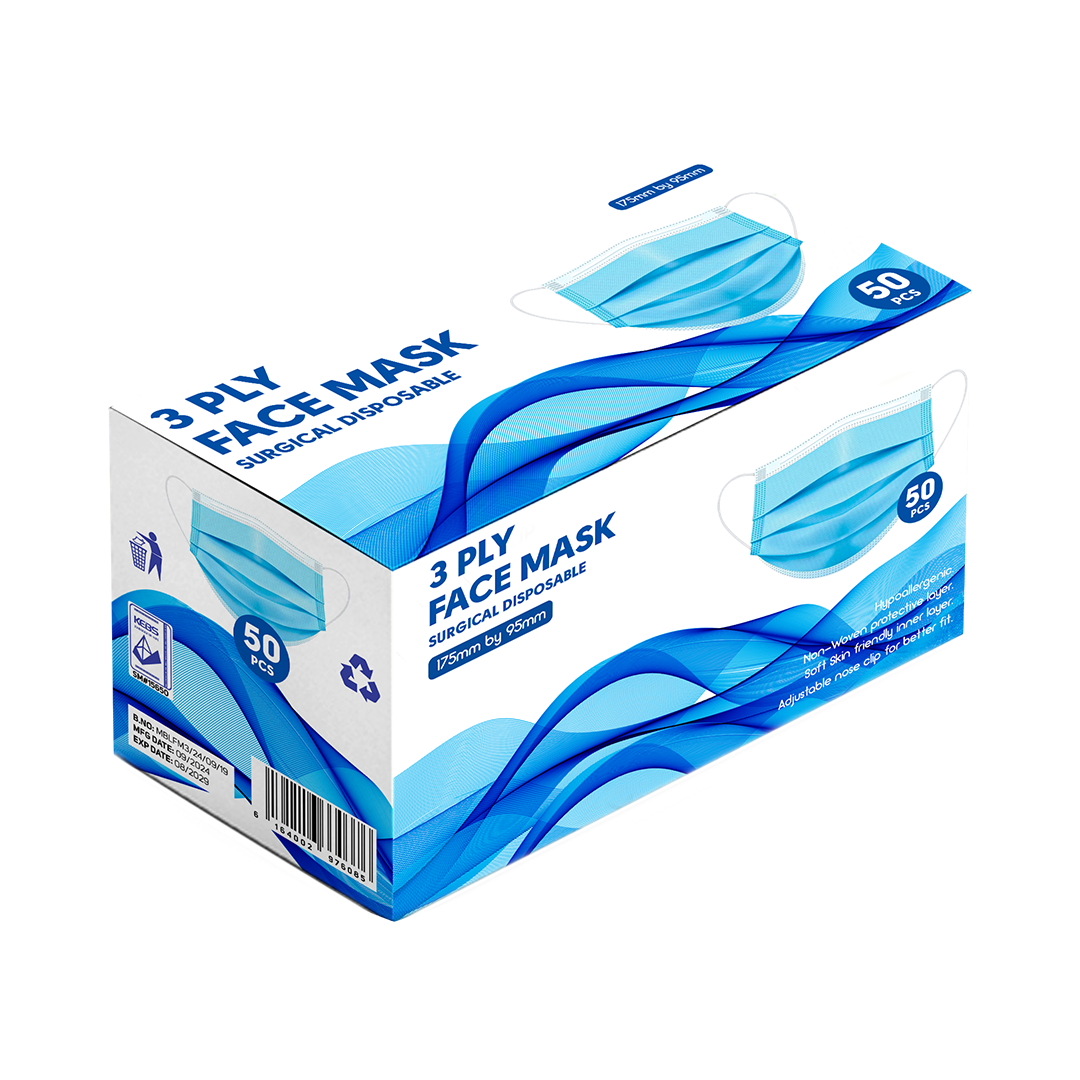
Strategic infection prevention and control (IPC) protocols for clinics, surgical centres, and hospital wards in Kenya, emphasizing PPE compliance, environmental surface disinfection, and barrier drapes.
Healthcare-Associated Infections (HAIs) place an immense burden on healthcare outcomes, patient morbidity, and hospital operational expenses across sub-Saharan Africa. Establishing systematic, evidence-based infection prevention and control (IPC) protocols is essential for protecting patients, healthcare workers, and clinical visitors.
Effective healthcare infection control relies on a seamless chain of compliance: proper hand hygiene infrastructure, certified personal protective equipment (PPE), rigorous surface disinfection with hospital-grade virucides, and sterile surgical barrier draping.
Hospital-Acquired Infections (HAIs) in Sub-Saharan Africa
Clinical research indicates that surgical site infections (SSIs), catheter-associated urinary tract infections (CAUTIs), central line-associated bloodstream infections (CLABSIs), and hospital-acquired pneumonia represent significant post-admission risks:
- Prolonged Hospital Stays: Patients developing an HAI stay an average of 10 to 14 days longer in hospital beds, dramatically inflating patient healthcare bills and straining facility capacity.
- Antimicrobial Resistance (AMR): Over-reliance on reserve antibiotics to treat preventable nosocomial infections accelerates multi-drug resistant bacterial strains. Comprehensive IPC practices represent the most potent non-pharmacological weapon against AMR.
- Regulatory Auditing: Kenya Ministry of Health and county public health inspection guidelines require every healthcare institution to establish an active IPC committee, written hygiene standard operating procedures (SOPs), and documented staff training records.
Certified PPE Sourcing & Appropriate Level Allocation
Personal Protective Equipment must match the specific biological risk tier of the clinical procedure:
- Medical Face Masks & Respirators: Certified surgical face masks (EN 14683 Type IIR / ASTM Level 2 or 3) featuring 98%+ bacterial filtration efficiency (BFE) and fluid splash resistance (120 mmHg) for standard ward and minor procedures. N95 / FFP2 respirators with tight facial seals are mandatory during aerosol-generating procedures (intubation, bronchoscopy, dental drilling).
- Medical Examination & Surgical Gloves: Powder-free nitrile examination gloves conforming to EN 455 / ASTM D6319 with an Acceptable Quality Level (AQL) of 1.5 for diagnostic and ward care. Sterile anatomical surgical gloves with micro-textured grip for operating theatre teams.
- Isolation Gowns & Coveralls: Disposable, fluid-resistant SMS/SMMS non-woven polypropylene isolation gowns (AAMI PB70 Level 3 or 4) protecting scrub teams from blood and body fluid exposure.
- Eye & Facial Protection: Full-face transparent anti-fog shields or indirect-ventilation safety goggles providing complete orbital splash protection.
Surface Disinfection & Environmental Hygiene
Environmental surfaces act as persistent reservoirs for pathogenic micro-organisms if improperly decontaminated:
- High-Touch Clinical Contact Surfaces: Bed rails, IV poles, infusion pump keypads, light switches, and door handles must be wiped down at least twice daily and between patient transfers using hospital-grade disinfectant wipes with broad-spectrum virucidal and bactericidal claims.
- Quaternary Ammonium & Alcohol Formulations: Fast-acting surface disinfectants combining quaternary ammonium compounds (QACs) with isopropyl alcohol for non-corrosive, rapid 1-minute contact kill times on medical equipment monitors and plastics.
- Sodium Hypochlorite (Chlorine) Disinfection: Freshly prepared 0.5% (5,000 ppm) chlorine solution for biohazard blood/body fluid spills, and 0.05% (500 ppm) solution for routine floor and wall sanitation in high-risk zones.
- Automated Terminal Decontamination: Utilizing hydrogen peroxide vapor (HPV) fogging systems or pulsed ultraviolet-C (UV-C) sanitization towers for terminal room turnover following discharge of infectious isolation patients.
Surgical Draping & Sterile Field Management
Maintaining an unbroken sterile field in the operating theatre requires certified barrier textiles:
- Impervious SMS/SMMS Surgical Drapes: Multi-layer non-woven barrier drapes that provide complete hydrostatic resistance, preventing strike-through moisture contamination from blood or irrigation fluids.
- Fluid Collection Pouches: Integrated heavy-duty adhesive collection pouches with drainage suction ports for high-fluid orthopedic arthroplasty, caesarean sections, and urological interventions.
- Antimicrobial Incise Drapes: Breathable, transparent polyurethane surgical incision drapes with integrated iodophor adhesive that continuously suppresses skin flora migration into the surgical incision during extended operations.
Waste Segregation, Sharps Disposal & Biohazard Safety
Flawless medical waste handling at the point of generation prevents accidental needlestick injuries and community environmental contamination:
- Color-Coded Biohazard Waste Segregation: Heavy-duty yellow biohazard bags (gauge 200+) for infectious clinical waste; black bags for non-infectious general waste; red bags for anatomical/pathological tissue waste.
- Puncture-Proof Sharps Containers: Rigid polypropylene sharps boxes resistant to puncture, impact, and leakage with secure one-way drop apertures and clear fill-line indicators at 3/4 capacity.
Frequently Asked Questions (Hospital Infection Prevention Kenya)
What standard must surgical face masks meet for hospital use in Kenya?
Hospital surgical masks must adhere to EN 14683 Type IIR or ASTM Level 2/3 standards, ensuring at least 98% Bacterial Filtration Efficiency (BFE), 98% Particle Filtration Efficiency (PFE), fluid splash resistance against synthetic blood at 120 mmHg, and differential pressure (breathability) below 60 Pa/cm².
How often should surface disinfectant solutions be prepared in healthcare facilities?
Chlorine-based disinfectant solutions must be freshly prepared every 24 hours, as free available chlorine degrades rapidly when exposed to air, light, and organic contaminants. Ready-to-use quaternary ammonium disinfectant wipes provide stable, validated chemical efficacy without daily dilution errors.
Where can clinics and hospitals in Kenya order bulk certified PPE and infection control supplies?
Nairobi Enterprises Ltd stocks comprehensive lines of certified infection control supplies, including surgical gloves, SMS barrier drapes, Type IIR masks, hand sanitizers, surface disinfectants, and biohazard sharps disposal units, with reliable institutional delivery across Kenya.
Explore Nelent's equipment ↗