

A practical clinical guide to designing, equipping, and commissioning operating theatres in Kenya, from architectural zoning to sterile HVAC and surgical equipment procurement.
Every modern surgical facility in Kenya—whether a private day-surgery center in Nairobi, a Level 4 sub-county hospital, or a Level 5 referral hospital—requires an operating theatre designed around strict sterility gradients, ergonomic surgical workflows, and high-reliability life-support infrastructure.
Operating theatre planning requires a synchronized triad of strict architectural zoning (clean to ultra-clean), dedicated clinical airflow with HEPA filtration, and standardized surgical equipment backed by local biomedical support.
Kenya Ministry of Health & WHO Architectural Zoning
Operating theatre suites must maintain four distinct environmental zones to eliminate cross-contamination between non-sterile hospital areas and the surgical field:
- Outer Transfer Zone: Reception, patient trolley transfer bays, and staff changing rooms where street clothing is exchanged for surgical scrubs.
- Semi-Restricted Clean Zone: Pre-operative holding areas, post-anesthesia care units (PACU), scrub stations, and sterile supply storage rooms. Staff must wear surgical scrubs, head coverings, and dedicated theatre footwear.
- Restricted Sterile Zone: The actual operating room (OR). Access is strictly restricted to scrubbed surgical teams, anesthetists, and circulating nurses wearing sterile gowns, masks, and eye protection.
- Dirty Disposal Zone: Separate dirty utility corridors leading directly to waste processing and central sterile services department (CSSD) decontamination bays without traversing clean corridors.
Core Surgical & Life Support Equipment Checklist
Selecting the right surgical equipment requires balancing clinical versatility, durability under high surgical turnover, and seamless sterilization:
- Electro-Hydraulic Operating Table: Must support multi-axis positioning (Trendelenburg, reverse Trendelenburg, lateral tilt, flex/reflex, kidney bridge) with a radiolucent carbon fiber tabletop compatible with mobile C-arm fluoroscopy.
- Shadowless LED Surgical Lighting: Dual-dome ceiling-mounted surgical lights delivering 160,000 lux illumination with deep cavity illumination, variable color temperature (3,800K–5,000K), high Color Rendering Index (Ra > 96), and minimal thermal radiation.
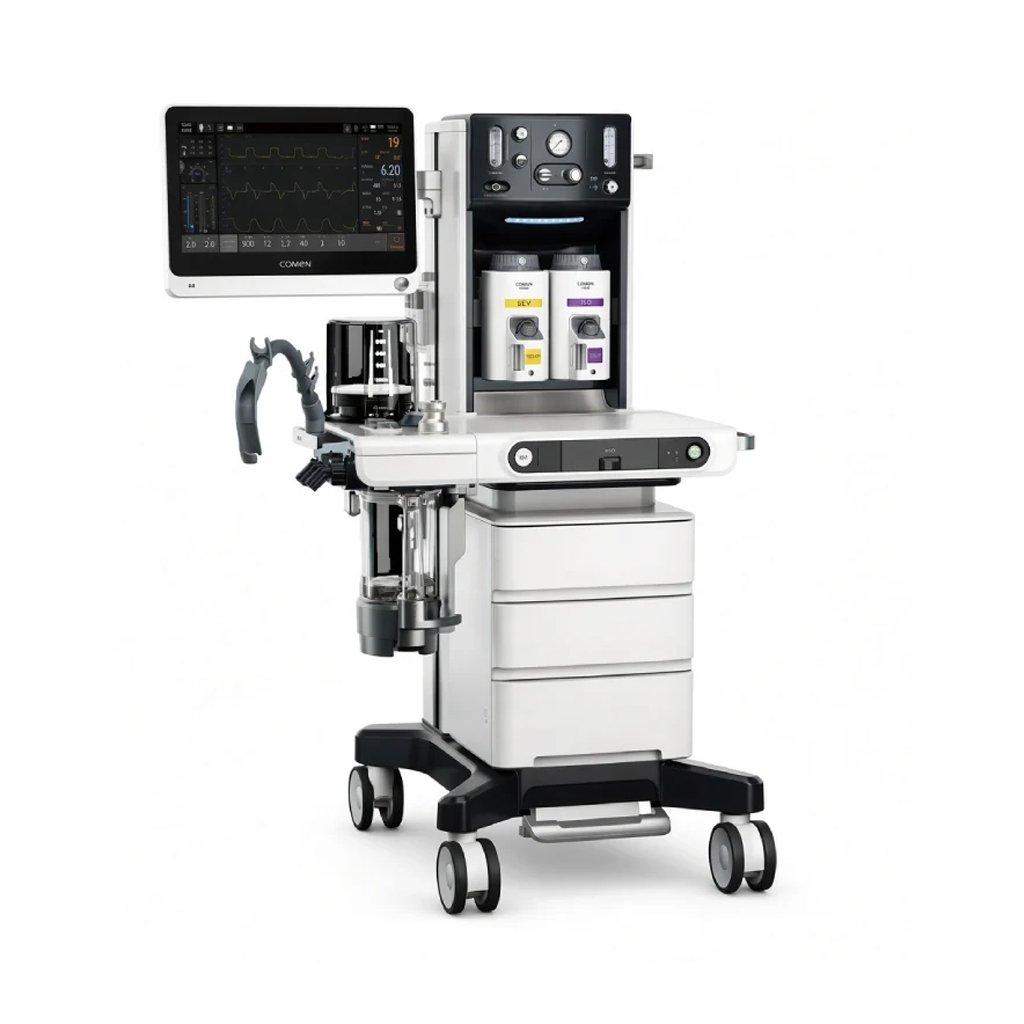
- Anesthesia Delivery Workstation: Fully integrated anesthesia system equipped with accurate vaporizers (Isoflurane/Sevoflurane), integrated spirometry, apnea backup ventilation, and active anesthetic gas scavenging systems (AGSS).
- Electrosurgical Diathermy Unit (ESU): High-frequency generator offering monopolar cutting, coagulation, and advanced bipolar vessel sealing with return plate contact quality monitoring to protect patient safety.
- Multi-Parameter Patient Monitor: Real-time tracking of 5-lead ECG, SpO2, NIBP, temperature, continuous invasive blood pressure (IBP), and microstream capnography (EtCO2).
- Surgical Suction & Fluid Waste Management: High-flow, high-vacuum mobile suction pumps with dual overflow safety valves, antimicrobial exhaust filters, and autoclavable polycarbonate collection canisters.
Medical Gas Pipeline Systems (MGPS) & Uninterruptible Power
Surgical theatres cannot tolerate power interruptions or medical gas fluctuations:
- Medical Gas Wall Terminals: Standardized British Standard (BS) or DIN gas outlets for oxygen (4 bar), medical air (4 bar for anesthesia, 7 bar for surgical tools), and vacuum (-0.6 bar) mounted on ceiling pendants to keep floors cord-free.
- Isolated Power Supplies (IPS) & Line Isolation Monitors: IT earthing electrical systems that prevent circuit breakers from tripping during first-fault electrical leakage, safeguarding life-support devices.
- Uninterruptible Power Supply (UPS) & Diesel Generator Redundancy: 100% online double-conversion UPS guaranteeing zero transfer time (0 ms) for surgical lights and monitors during municipal grid outages.
Infection Control, HVAC & Laminar Airflow Protocols
Surgical site infections (SSIs) represent a major clinical risk in East African surgical settings. Environmental air handling must comply with international ISO 14644-1 cleanroom classifications:
- Positive Pressure Gradient: The sterile operating room must maintain a continuous positive pressure differential (+15 to +20 Pascals) relative to adjacent scrub rooms and corridors, preventing airborne pathogens from entering.
- High Air Exchange Rates: Minimum of 20 to 25 total air changes per hour (ACH), with at least 4 to 6 changes being fresh outdoor air.
- Laminar Flow Ceiling Plenums: Terminal HEPA H14 filters (99.995% efficiency at 0.3 microns) producing a clean unidirectional downward airflow directly over the sterile surgical field at 0.3–0.45 m/s.
- Temperature and Humidity Control: Maintaining sterile room temperatures between 18°C and 22°C with relative humidity controlled between 45% and 60% to suppress bacterial proliferation and reduce electrostatic discharge risks.
Equipment Procurement & Biomedical Service Lifecycle in Kenya
When procuring operating theatre equipment, healthcare facilities in Nairobi and across Kenya must evaluate total lifecycle costs:
- Certified Local Warranty & Spare Parts Availability: Sourcing from authorized distributors like Nairobi Enterprises Ltd ensures genuine factory replacement parts (lamps, hydraulic seals, circuit boards) are stocked locally in Nairobi for immediate dispatch.
- User Training & Biomedical Engineering Handover: Comprehensive training for operating theatre nurses, scrub teams, and in-house biomedical staff on daily calibration, preventive maintenance, and safe cleaning protocols.
- Kenya Regulatory Compliance: Verification that all surgical and life-support devices carry approvals from the Pharmacy and Poisons Board (PPB), Kenya Bureau of Standards (KEBS), CE, and ISO 13485 certifications.
Frequently Asked Questions (Operating Theatre Planning in Kenya)
What is the minimum recommended size for a general operating theatre in Kenya?
A standard general operating theatre requires a minimum clean area of 38 to 42 square meters with a finished ceiling height of at least 3.0 meters. Specialized orthopedic, neurosurgical, or cardiac theatres with extensive equipment and C-arm clearance require 50 to 60 square meters.
How often should surgical lights and operating tables undergo preventive maintenance?
Electro-hydraulic operating tables and surgical lights should undergo comprehensive preventive maintenance inspections every 6 months, including hydraulic fluid checks, battery backup testing, joint articulation lubrication, and structural ceiling mount torque checks.
Where can healthcare facilities in Kenya source certified operating theatre equipment?
Nairobi Enterprises Ltd provides complete turnkey operating theatre solutions, including surgical lights, electro-hydraulic operating tables, anesthesia machines, patient monitors, and autoclave sterilization suites with certified biomedical installation across Kenya and East Africa.
Explore Nelent's equipment ↗