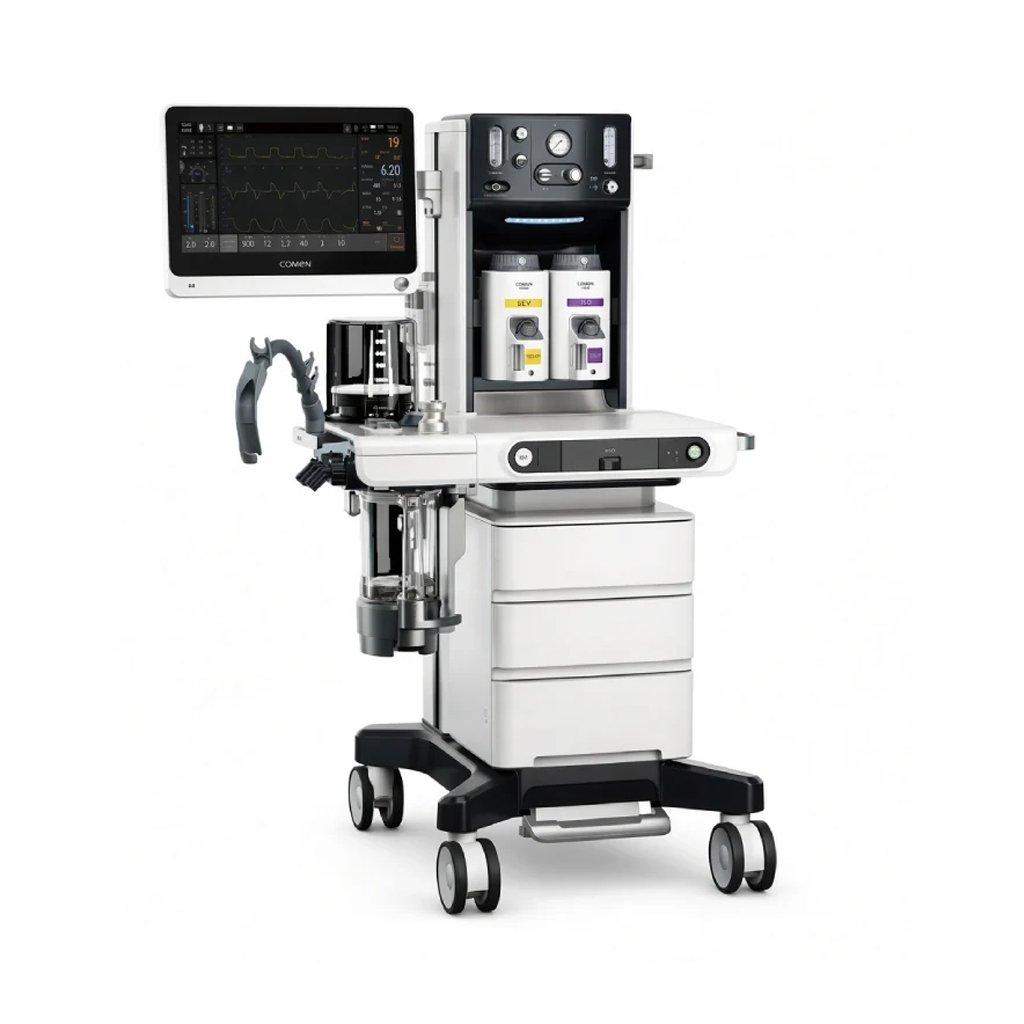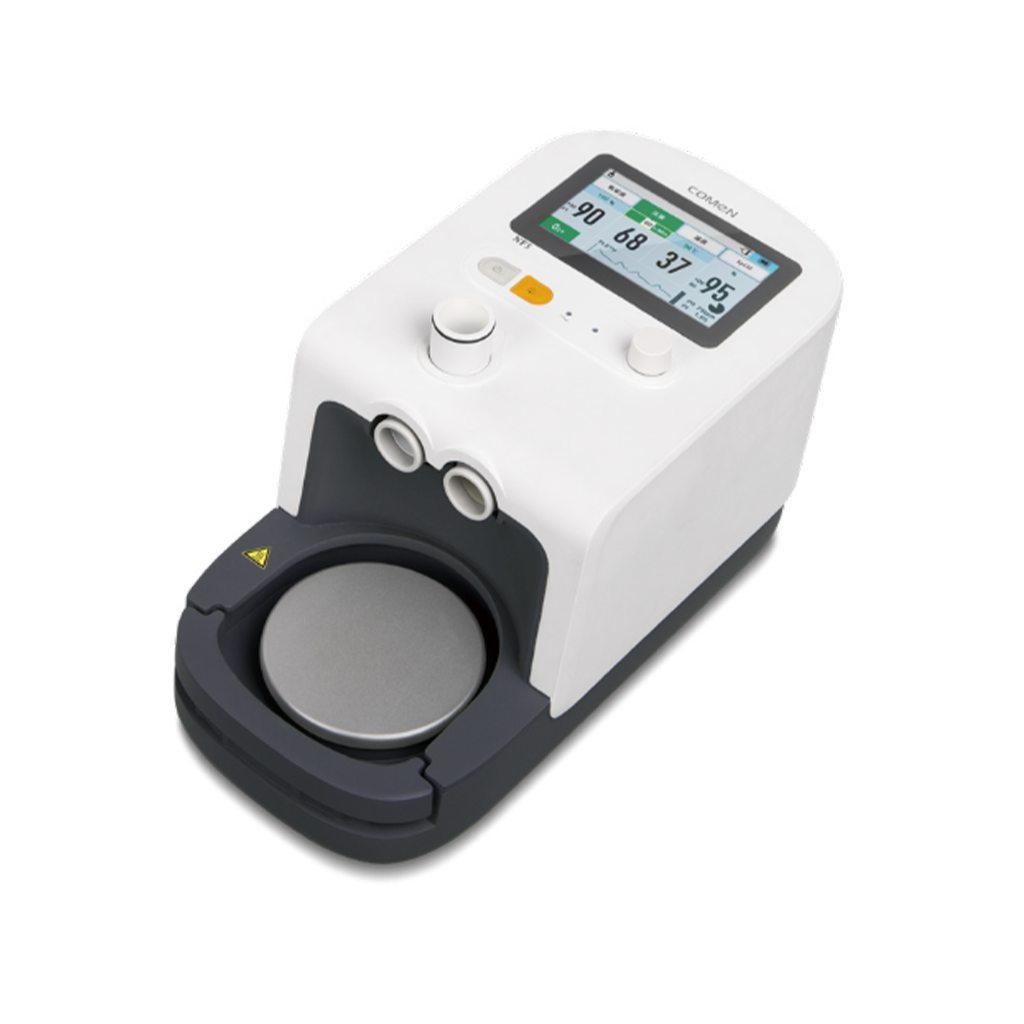
Clinical engineering protocols for cleaning, high-level disinfection, preventative maintenance, and sensor calibration for respiratory care equipment in Kenyan hospitals.
Respiratory therapy equipment—including medical oxygen concentrators, CPAP/BiPAP units, mechanical ventilators, aerosol nebulizers, and pulse oximeters—requires rigorous, methodical maintenance. In sub-Saharan healthcare environments with high dust burdens and humidity variations, equipment longevity depends directly on preventive care.
Proper maintenance of respiratory equipment prevents healthcare-associated infections (HAP/VAP), extends device lifespan by up to 60%, and ensures oxygen delivery precision during critical patient interventions.
Preventive Maintenance Schedules (Daily, Monthly, Annual)
Implementing a three-tier preventive maintenance program safeguards patient safety and prevents costly emergency equipment failures:
- Daily Clinical Checks: Inspecting breathing circuits for condensation pooling, ensuring water traps are positioned at low points, checking bacterial-viral filter integrity, testing humidifier water levels with sterile water, and running pre-use circuit compliance/leak tests.
- Monthly Biomedical Maintenance: Cleaning or replacing external gross air-intake filters, verifying battery charge cycles, checking pneumatic hose O-rings for cracking, and verifying flow rate accuracy using certified mass flow meters.
- Annual Comprehensive Servicing: Complete internal pneumatic overhaul, replacing proportional solenoid valves, expiratory membrane assemblies, internal soundproofing foam, and backup internal lithium-ion batteries.
High-Level Disinfection & Sterilization Protocols
Respiratory accessories are classified under the Spaulding medical device classification as semi-critical items, directly contacting mucous membranes:
- Reusable Breathing Circuits: Silicone patient tubing must undergo thorough manual enzymatic pre-cleaning, followed by thermal disinfection or autoclaving at 134°C for 5 minutes (or 121°C for 20 minutes) in medical autoclaves.
- Exhalation Valve Cassettes: Complete disassembly, inspection of delicate silicone diaphragms, ultrasonic bath cleaning, and autoclaving to eliminate multidrug-resistant pathogens (Pseudomonas aeruginosa, Acinetobacter baumannii).
- Chemical Disinfection for Heat-Sensitive Parts: Immersion in approved hospital-grade high-level disinfectants (such as 2% glutaraldehyde or ortho-phthalaldehyde - OPA) following validated immersion times, followed by rinsing with sterile distilled water.
Oxygen Concentration & Sensor Calibration
Accurate oxygen dosing is vital across neonatal and adult respiratory care:
- Galvanic Fuel Cell Sensors: Chemical oxygen sensors experience natural electrolyte depletion over 12 to 18 months. They must be calibrated daily at 21% ambient air and monthly at 100% pure oxygen. When sensor output falls below manufacturer thresholds, immediate replacement is required.
- Paramagnetic Oxygen Sensors: Non-depleting optical/magnetic sensors that offer lifelong stability without chemical degradation, requiring only routine zero and span verification.
- Oxygen Purity Benchmarks: Testing output purity on hospital oxygen concentrators and PSA oxygen generating plants to ensure delivered oxygen concentrations remain consistently within the 93% ± 3% pharmacopeia standard.
Troubleshooting Common Failures in Kenyan Facilities
Biomedical teams across Kenya frequently encounter environmental and electrical challenges:
- Dust Ingress & Intake Obstruction: Fine ambient dust common in urban and arid counties clogs intake filters, causing internal compressor overheating and premature valve failure. Establishing bi-weekly filter washing schedules resolves 80% of heat-related shutdowns.
- Voltage Fluctuations & Surges: Unstable municipal power grids cause power supply board failures. Every high-dependency respiratory unit should be paired with medical-grade line-interactive voltage stabilizers or pure sine-wave double-conversion UPS units.
- Tubing Rain-Out & Condensation: Excessive moisture pooling in patient circuits leads to accidental aspiration and alarm triggering. Utilizing dual-heated wire circuits and setting active humidifier chamber temperatures correctly eliminates condensation.
Sourcing Genuine Replacement Parts & Consumables in Nairobi
Maintaining a secure supply chain for respiratory consumables and spare parts is essential:
- Essential Buffer Stocks: Kenyan healthcare procurement teams should maintain a minimum 3-month buffer stock of bacterial/viral filters, HME filters, flow sensors, disposable ventilator circuits, and oxygen sensors.
- Local Technical Support: Nairobi Enterprises Ltd maintains an extensive inventory of certified biomedical replacement parts, calibration equipment, and preventative maintenance kits at our Nairobi headquarters, supported by responsive clinical engineering technicians.
Frequently Asked Questions (Respiratory Equipment Maintenance)
How often should oxygen concentrator filters be cleaned in Kenyan clinics?
Gross particle sponge intake filters should be washed weekly with mild detergent, thoroughly air-dried, and re-inserted. Internal HEPA and bacterial intake filters should be replaced every 12 months or after 5,000 operating hours, whichever occurs first.
What causes ventilator-associated pneumonia (VAP) from equipment misuse?
VAP is frequently caused by contaminated condensation from breathing circuits draining back into the patient's airway, failure to change breathing circuits following manufacturer protocols, or re-using single-use filters. Using closed in-line suctioning, subglottic suction endotracheal tubes, and daily oral hygiene with chlorhexidine significantly lowers VAP incidence.
Where can clinics in Kenya receive professional biomedical calibration for respiratory devices?
Nairobi Enterprises Ltd offers accredited biomedical calibration, electrical safety audits, and preventive maintenance agreements for ventilators, concentrators, and patient monitors across Kenya.
Explore Nelent's equipment ↗